

AARP Hearing Center











































Stay Safe During Washington Flooding
Posted on 09/16/25
Heavy rains, wind and rising waters continue to create dangerous conditions across Washington. Your safety is our priority—please take these steps now:
- Stay informed: Sign up for local alerts and keep Wireless Emergency Alerts turned on. Visit mil.wa.gov/alerts or facebook.com/WashEMD/ for information and instructions. Be sure to sign up for local alerts with your county or city government.
- Avoid floodwaters: Never walk or drive through flooded areas. Just six inches of moving water can knock you down, and two feet can sweep away a vehicle.
- More heavy rain and wind are forecast for this week. Be on the lookout for potential impacts including falling trees, and the increased risks of rock and mudslides.
- Check road conditions: Before traveling, visit wsdot.com/Travel/Real-time/Map for closures and detours.
- Protect your health: After flooding, follow state health tips for cleanup and water safety at https://doh.wa.gov/emergencies/be-prepared-be-safe/floods/cleanup
- How to help WA flood victims: Local agencies, national rescue organizations and community groups have rapidly responded to the floods, providing shelter and resources to flood victims. The Seattle Times has compiled ways to provide help in this story.
- Beware of Frauds and Scams: We’ve seen how disasters can bring out the best in people, as neighbors and strangers roll up their sleeves and open their wallets to help those who have lost their homes. They also bring out scammers, for whom others’ misfortune is just a chance to make a fast buck. Read more about how to avoid disaster relief scams.
For more resources, visit the Washington State Department of Health’s Flood Safety page, call Washington 211 at wa211.org or visit AARP’s Disaster Recovery Guide.
Stay safe and check on neighbors who may need extra help.
SPECIAL EVENT
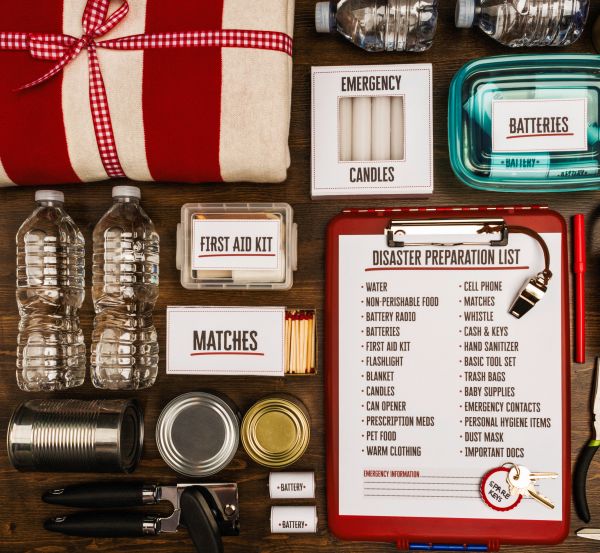
When a disaster strikes, every second counts. That is why advanced planning is so important.
AARP, BECU, and SBP, a disaster resilience and recovery nonprofit, hosted a two-part virtual series designed to help older adults and the families who care for them stay safe and prepared for any disaster. Each session was packed with practical tips, resources and expert recommendations from Washington's Department of Social and Health Services, as well as our Office of Emergency Management.
- Part 1: Recovery Ready: Protecting Yourself Before Disaster Strikes
September 10, 11 am - Noon PT
Learn how to create a solid recovery plan, including financial prep, as part of your overall disaster readiness. We'll cover how to integrate recovery planning into your preparedness strategy, protect important documents, and avoid contractor scams.
Event Recording:
Recovery Ready: Protecting Yourself Before Disaster Strikes - Live Event
Event Slides: Recovery Ready Presentation
- Part 2: Think Safe, Stay Safe: Household Tips for Disaster Readiness
September 17, 11 am - Noon PT
Discover key steps to reduce your risks and stay safe during disasters. This session will cover understanding disaster risks in Washington, quick actions to secure your property, and ways to protect your home from future disasters.
Event Recording:
Think Safe, Stay Safe: Household Tips for Disaster Readiness Live Event
Event Slides: Think Safe_Stay Safe Presentation
Upcoming Event:
Shakeout for Long-term Care Facilities Webinar presented by Washington Emergency Management Division (WA EMD) and Department of Social Health Services (DSHS) - Register Here!
Tuesday, September 23rd 11am-12pm Pacific Time
The Great ShakeOut is an annual earthquake and tsunami drill that millions of people participate in around the world. It is the perfect opportunity for you to answer a really important question: what would I do if an earthquake or tsunami impacted my community?
- Would our community know how to stay safe?
- Do our communications and continuity plans account for earthquake damage?
- What would we do next?
Washington Emergency Management Division (WA EMD) and Department of Social Health Services (DSHS) are offering a webinar to share information about how to get the most out of this annual opportunity.
We can’t predict when the next earthquake will strike Washington – but we can prepare for its impacts. Register for this free webinar today, and join us on Tuesday, September 23rd 11am-12pm Pacific Time to learn more!
Resources and Information
Take a deeper dive into protecting your family in the event of a natural hazard or disaster using the following resources.
Washington's emergency alerts: Sign up at mil.wa.gov/alerts
Be 2 Weeks Ready, Washington - Washington State's Emergency Management Division, is encouraging you to be two weeks ready for anything. This means having your own food, water and other supplies in sufficient quantity to last for as long as two weeks.
AARP Disaster Resilience Tool Kit - Get the Free Guide. The AARP Disaster Resilience Tool Kit was created for local leaders, government staff, aging services professionals, and community advocates and volunteers.
Disaster Prep is Key for Washingtonians - What is it like preparing for emergencies as a caregiver? Read more about Julia's story and advice from Washington's experts.
Resource Hub: Access SBP's disaster preparedness and recovery guides and resources in our Resource Hub.
Managing Important Documents: Explore SBP’s Managing Important Documents Guide to understand which documents are essential to safeguard and learn effective strategies to keep them protected.
Avoiding Contractor Fraud: Protect yourself from contractor scams after a disaster with SBP’s Protect Against Contractor Fraud Guide.
FEMA’s Disaster Preparedness Guide for Older Adults: Geared for individuals and service providers.
National Fire Protection Association's Home Ignition Zone checklist, including information about the primary threats to homes during a wildfire.
SBP's Home Protection Guide: For more planning guidance and information on protecting homes from future disaster events, check out SBP's Home Protection Guide.
Learn about household mitigation options to reduce your disaster risks and safeguard your property at www.smarthomeamerica.org/ and https://disastersafety.org/.
Find more wildfire information about how to get prepared for wildfires at https://wildfireprepared.org/ and https://www.ready.gov/wildfires#prepare.
Presented by: